How Weather and Temperature Changes Affect Concrete
To address how weather and temperature changes affect concrete, local contractors can assess damage and provide repairs to prevent cracking and deterioration.
Understanding how weather and temperature changes affect concrete is essential for property owners looking to maintain the integrity and appearance of their structures. Fluctuations in temperature can cause concrete to expand and contract, which may lead to cracks, surface deterioration, or uneven settling over time. Recognizing these effects can help property owners take proactive steps to protect their investments, whether it’s through proper sealing, drainage, or timely repairs. Local contractors who specialize in concrete repair are equipped to assess these weather-related impacts and recommend solutions that can help extend the lifespan of concrete surfaces.
For those in the area considering repairs or preventative measures, knowing how weather and temperature changes influence concrete can be a practical concern. Seasonal shifts and temperature extremes are common challenges that can accelerate wear and damage if left unaddressed. Connecting with experienced service providers ensures that appropriate measures are taken to mitigate these effects, whether through crack repair, surface sealing, or other restoration methods. Exploring this topic can lead to better-informed decisions about maintaining concrete features and preserving the value of a property over time.
- Crack Repair - homeowners noticing cracks in concrete due to temperature fluctuations can rely on local contractors to assess and repair damage caused by expanding and contracting materials.
- Surface Resurfacing - when weather changes lead to surface deterioration or spalling, local service providers can restore smoothness and durability to affected concrete.
- Joint Sealing - shifts caused by temperature swings can create gaps or openings in joints, with local pros sealing these to prevent further damage.
- Structural Reinforcement - severe weather-related stress may require local contractors to reinforce concrete structures vulnerable to cracking or shifting.
- Waterproofing - changes in weather can cause water infiltration through cracks, and local pros can apply waterproofing solutions to protect concrete foundations.
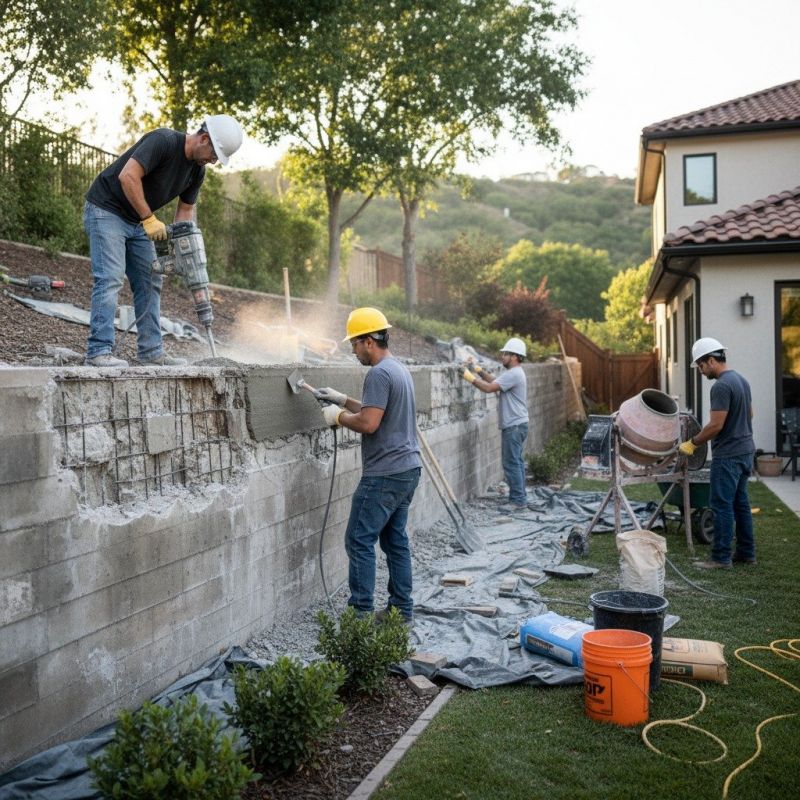
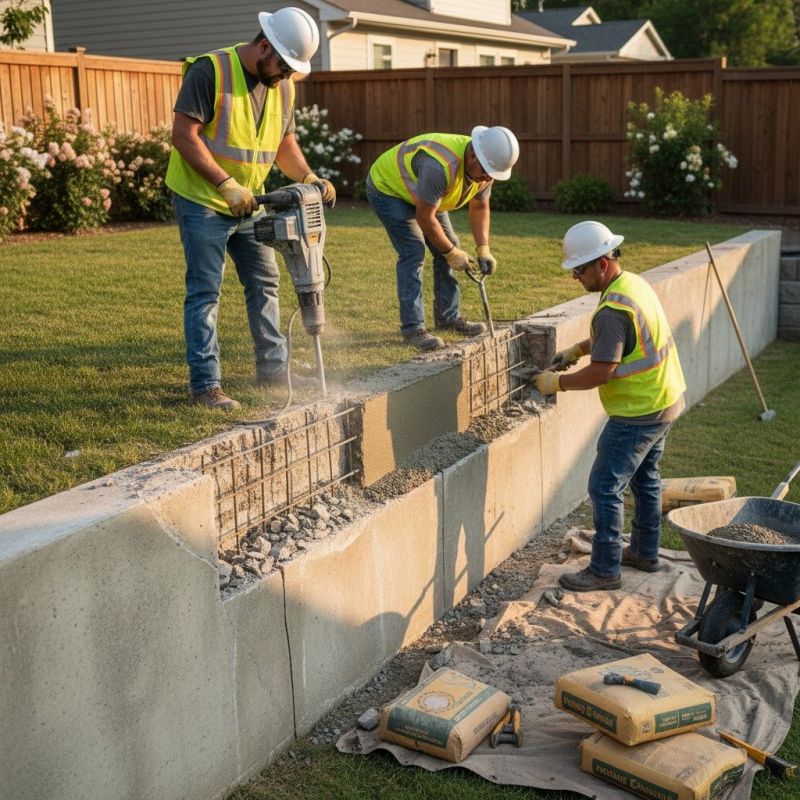
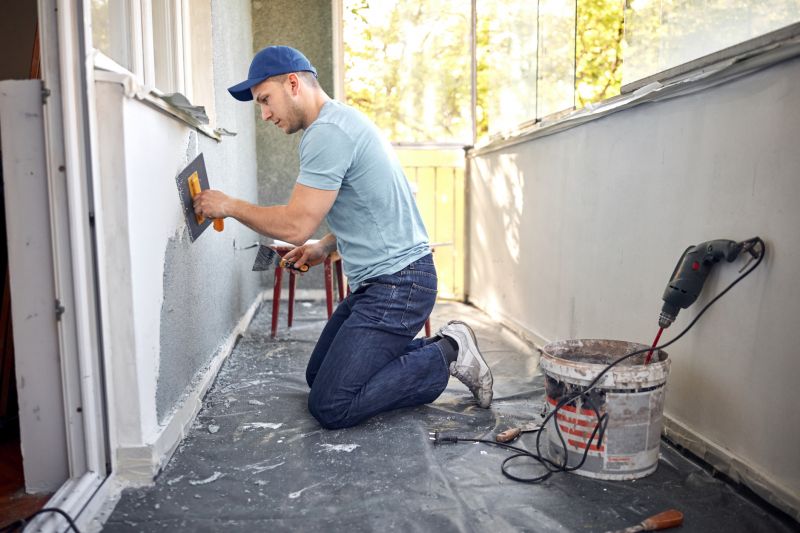
When people search for how weather and temperature changes affect concrete, they are often trying to understand how seasonal or daily climate fluctuations can impact the durability and appearance of their existing concrete surfaces. This topic is commonly explored by homeowners planning repairs or replacements for driveways, sidewalks, patios, or foundation slabs. They want to know if shifting temperatures might cause damage or compromise the integrity of their concrete over time. Understanding these effects helps homeowners anticipate potential issues and choose the right solutions to prevent future problems, making it a key consideration in planning concrete-related projects.
The problems associated with weather and temperature fluctuations often relate to cracking, spalling, and uneven settling of concrete. When temperatures drop significantly, concrete can contract and develop cracks, especially if it was not properly cured or installed with appropriate joints. Conversely, high temperatures can cause concrete to expand, leading to surface warping or buckling. Rapid temperature changes-such as a freeze-thaw cycle-can be particularly damaging, as water trapped within the concrete expands when it freezes, creating internal pressure that causes surface deterioration. These issues are common reasons why homeowners seek repairs or reinforcement for their concrete surfaces, and they highlight the importance of proper installation and ongoing maintenance.
Certain properties of concrete influence how it reacts to weather and temperature changes. These include the mix composition, curing process, and the presence of reinforcement or control joints. Concrete with inadequate curing or improper mix ratios is more prone to cracking and surface damage when exposed to temperature extremes. The porosity and moisture content of the concrete also play a role, as water within the material expands upon freezing. Additionally, the design of the concrete surface-such as the placement of expansion joints-can help accommodate movement caused by temperature shifts. Service providers experienced in concrete repair can assess these properties and recommend solutions that help minimize damage caused by weather-related stresses.
For homeowners dealing with concrete that has been affected by temperature fluctuations, understanding these effects is essential for effective repair and maintenance. Local contractors specializing in concrete repair are equipped to evaluate how weather and temperature changes have impacted a specific surface. They can recommend appropriate measures-such as sealing, reinforcement, or joint installation-to prevent future damage and extend the lifespan of concrete structures. Connecting with experienced service providers ensures that projects are tailored to local climate conditions and that repairs address the root causes of weather-related deterioration. This proactive approach helps maintain the safety, functionality, and appearance of concrete surfaces over time.
Foundation Repair Projects - local contractors specializing in foundation repair understand how temperature fluctuations can cause concrete to crack or shift, ensuring stability through proper assessment and repair.
Concrete Patio Installation - professionals experienced in patio installation are familiar with the effects of weather on concrete, helping to plan for durable, weather-resistant surfaces.
Sidewalk and Driveway Repair - local service providers can address cracks and unevenness caused by temperature-related expansion and contraction in concrete walkways and driveways.
Concrete Sealing Services - experts in sealing concrete surfaces understand how weather impacts surface integrity, offering solutions to protect against moisture and temperature damage.
Retaining Wall Construction - local contractors skilled in retaining walls know how temperature changes influence concrete strength and stability, ensuring long-lasting structures.
Crack Repair and Restoration - specialists in crack repair can effectively address damage caused by weather-induced expansion and contraction in concrete surfaces.
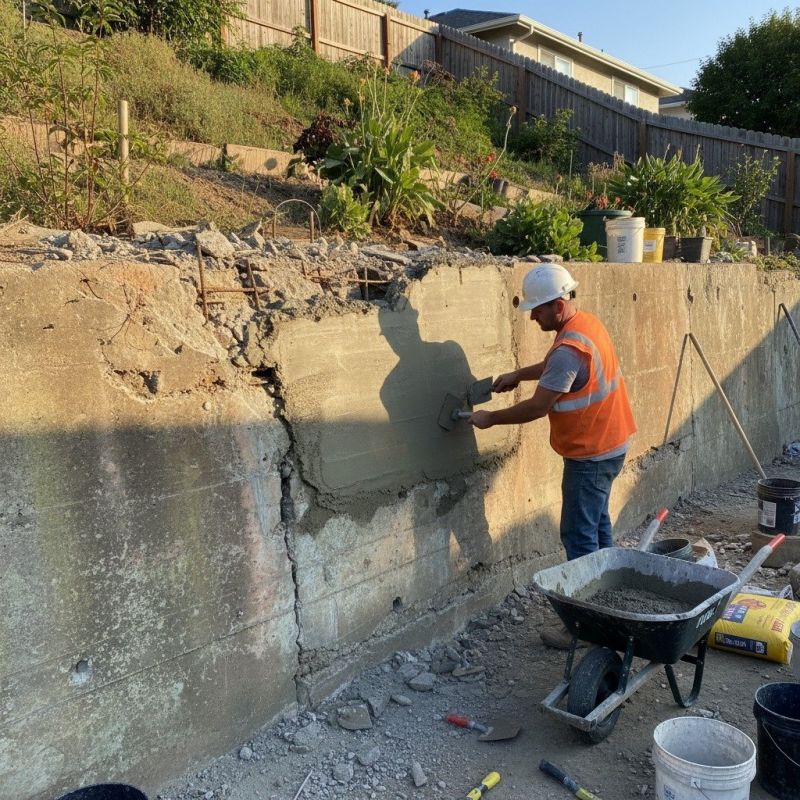
When evaluating potential service providers for concrete repair related to weather and temperature effects, it is important to consider their experience with similar projects. Homeowners should inquire about the types of weather conditions the contractors have worked through and whether they have addressed issues like cracking, spalling, or shifting caused by temperature fluctuations. A contractor’s familiarity with the specific challenges posed by local climate patterns can provide confidence that they understand how weather and temperature changes affect concrete and know how to handle repairs effectively.
Clear written expectations are essential when comparing local contractors. Homeowners should seek detailed descriptions of the scope of work, the materials to be used, and the methods for addressing weather-related damage. Transparent communication about the process helps ensure that both parties have a shared understanding of what the repair entails and reduces the potential for misunderstandings. Service providers who can clearly articulate their approach to weather and temperature-related issues demonstrate professionalism and a commitment to meeting the homeowner’s needs.
Reputable references and good communication are key factors in choosing the right contractor. Homeowners are encouraged to ask for references from previous clients who had similar weather-related concerns, as this offers insight into the contractor’s ability to deliver quality work under specific conditions. Additionally, responsive and clear communication throughout the process indicates that the service provider values transparency and is attentive to the homeowner’s questions and concerns. These qualities help ensure that the project will be managed smoothly and that the repair work will be suited to withstand the effects of weather and temperature changes over time.
Property owners often search for how weather and temperature changes affect concrete when they are planning practical projects around their homes and businesses. Local pros provide Concrete Repair services for everyday jobs and straightforward project options.
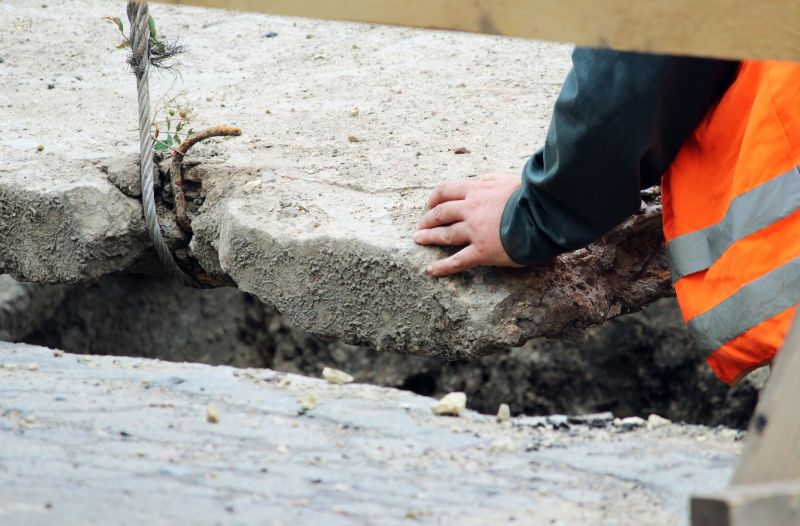
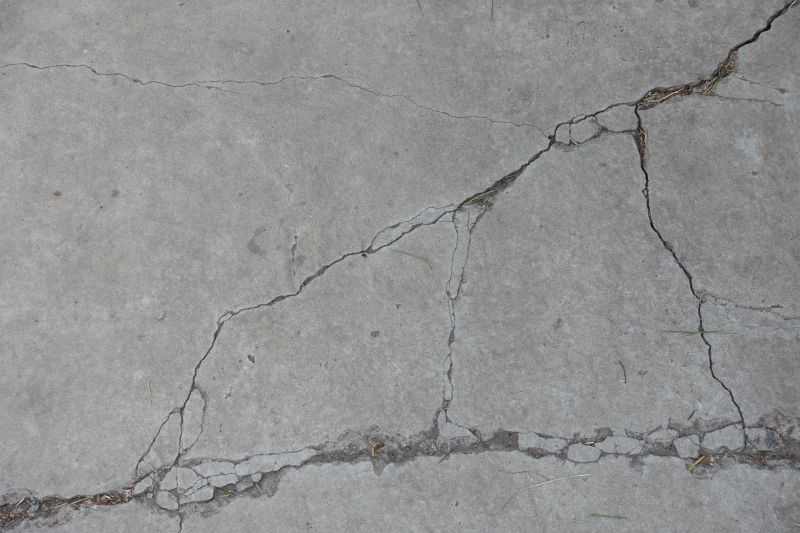
Weather and temperature changes can significantly impact concrete structures in everyday project situations. Fluctuations in temperature can cause concrete to expand and contract, which over time may lead to cracking or surface deterioration. For property owners managing driveways, patios, or foundations, understanding how these weather-related effects influence concrete can help in planning repairs or maintenance to prevent further damage and preserve the integrity of the surface.
Local contractors who specialize in concrete repair are equipped to address issues caused by changing weather and temperature conditions. They can assess the extent of damage resulting from these factors and recommend appropriate solutions to restore and protect concrete surfaces. Property owners seeking to maintain the durability and appearance of their concrete may find it helpful to compare service providers experienced in managing weather-related effects and ensuring long-lasting repairs.
How do temperature fluctuations impact concrete durability? Temperature changes can cause concrete to expand and contract, leading to cracks and structural weaknesses over time. Local contractors can assess and repair damage caused by these shifts to maintain the integrity of concrete surfaces.
Can weather conditions cause concrete to crack or deteriorate? Yes, extreme weather such as freezing temperatures or heavy rainfall can lead to cracking, spalling, or erosion of concrete. Experienced service providers can implement repairs to address weather-related damage and prevent further issues.
What role does humidity play in concrete performance? High humidity levels can slow the curing process and promote moisture-related problems like mold or efflorescence. Local pros can help repair and protect concrete affected by moisture issues caused by humidity.
How does rapid temperature change affect existing concrete structures? Sudden shifts in temperature can stress concrete, causing cracks or weakening the material. Skilled contractors can evaluate and perform repairs to restore strength and prevent future damage.
What are common signs that weather has damaged concrete surfaces? Visible cracking, spalling, or uneven settling are typical indicators of weather-related damage. Local repair specialists can address these issues and help reinforce concrete against future weather effects.
Understanding temperature effects - Knowing how temperature fluctuations impact concrete can help property owners plan repairs during optimal weather conditions with local contractors.
Timing repairs for weather conditions - Scheduling concrete repairs when weather is stable can prevent issues caused by rapid temperature changes, ensuring longer-lasting results.
Choosing appropriate materials - Local pros can recommend materials suited for current and upcoming weather patterns to improve durability and performance.
Addressing cracks caused by weather - Repairing cracks early, especially after temperature swings, can prevent further damage and maintain the integrity of the concrete surface.
If you are thinking about how weather and temperature changes affect concrete for a property, this guide is meant to help you understand this topic, the typical project types, and how different options might fit your plans.
When you are ready, you can use the quote form on this page to share a few details about your project. From there, local pros can review the basics and follow up with options that match what you have in mind.